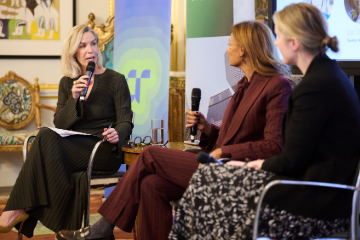
Canada-UK Nuclear Day 2026
From Ambition to Delivery: Building the Canada-UK Nuclear Partnership
As Canada and the United Kingdom expand their nuclear ambitions, opportunities for collaboration across the sector continue to grow. Canada-UK Nuclear Day 2026 will bring together leaders from industry, government, academia, and the wider nuclear community from both sides of the Atlantic to explore how the two countries can strengthen supply chains, develop talent, attract investment, and support the deployment of next-generation nuclear technologies, from fission to fusion.
Event Outline
Organised by the Canada-UK Chamber of Commerce with the support of sponsors and partners from across the Canada-UK nuclear ecosystem, Canada-UK Nuclear Day 2026 will take place on Tuesday, 8 September 2026, at Canada House, London, on the margins of the World Nuclear Symposium.
The event will provide a dedicated forum for Canadian and UK stakeholders to examine areas of mutual interest and identify opportunities to deepen cooperation across the nuclear value chain. The programme will feature keynote discussions, expert panels, and networking opportunities with the 150+ attendees from across the Canadian and UK nuclear sectors, including representatives from industry, government, research institutions, investors, and industry associations.
All guests must bring Photo ID and register online for this event in advance. If you do not bring Photo ID or your name does not appear on the official guestlist you risk not being allowed access to the venue. All guests must also allow time to go through security upon entry.
Programme at a glance
Refreshments & networking
Welcome & Opening Remarks
Speaker
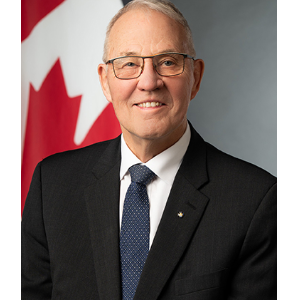
H.E. Bill Blair
High Commission of Canada
Keynote

Michael Shanks MP
Department for Energy Security and Net Zero (DESNZ)
Keynote
As both Canada and the UK expand their nuclear ambitions, public confidence and community support are becoming central to successful project delivery. Canada is increasingly viewed internationally as a strong example of how long-term engagement, Indigenous partnership, and transparent dialogue can contribute to broad public acceptance of nuclear energy. This keynote discussion would explore lessons from the Canadian experience and consider how they may inform current UK discussions around planning reform, regulatory modernization, and social licence for major infrastructure projects.
Discussion points:
• Building long-term public trust in nuclear projects
• The role of Indigenous partnership and economic participation in Canada
• Community engagement as a factor in project delivery and investment confidence
• Lessons for the UK as it advances planning and regulatory reform
• Public perception, transparency, and generational attitudes toward nuclear energy
Speaker
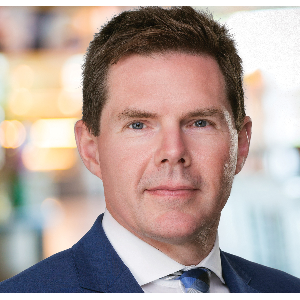
Grant Isaac
Cameco UK
Panel

Premier Scott Moe
Panel

Sheldon M. Wuttunee
Panel

Drew Leyburne
Moderator
Both Canada and the UK are advancing next-generation nuclear technologies, but the critical challenge now is how to deliver them at scale. This panel would focus on project delivery, construction capability, supply chains, and workforce readiness for SMRs and other advanced nuclear technologies. The discussion would move beyond reactor design to explore the broader industrial ecosystem required to successfully deploy projects internationally.
Discussion points:
• Lessons from recent nuclear construction projects including Darlington SMR, Hinkley Point C, and Sizewell C
• Replication, standardization, and reducing delivery risk
• Scaling manufacturing, engineering, and supply chain capability
• Workforce development tied to project deployment
• Opportunities for Canadian companies in engineering, digital systems, automation, robotics, valves, simulation, and specialized manufacturing
• The role of international collaboration in accelerating deployment
Speaker

Andrew Champ
GE Vernova
Panel

Geoffrey Olynyk
Panel

Greg Thede
Aecon Nuclear
Panel

Mike Reynolds
AtkinsRéalis
Panel

Jandre Bezuidenhout
Hatch Associates
Moderator
Canada and the UK are developing one of the most significant international partnerships emerging in the global fusion sector. Building on collaboration between organizations such as UKAEA and Kinectrics, this discussion would examine how tritium management, fuel-cycle capability, advanced materials, and industrial expertise are helping lay the foundations for future fusion deployment. The panel would also explore how capabilities developed through Canada’s CANDU ecosystem may contribute to both advanced fission and fusion technologies.
Discussion points;
• Tritium management and fuel-cycle innovation
• Canada–UK collaboration in fusion research and industrial development
• The role of CANDU expertise in future fusion and advanced nuclear systems
• Building industrial capability and supply chains for fusion deployment
• Strategic importance of fuel security and allied nuclear partnerships
• Commercial pathways from research to deployment
Speaker
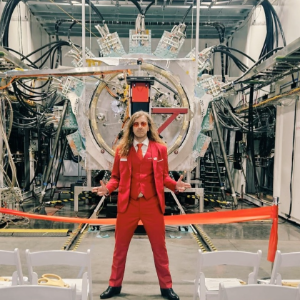
Myles Hildebrand
General Fusion
Panel

Nisa Halsey
Kinectrics
Panel
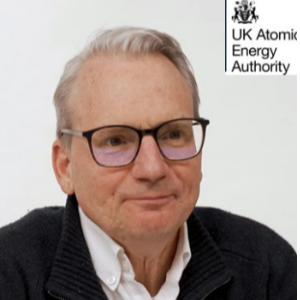
Stephen Wheeler
Panel

Tristram Denton
Panel

Jannet Shimell
AtkinsRéalis
Moderator
Refreshments & networking
As nuclear projects move from demonstration to deployment, financing models are evolving alongside technology and policy. Canada and the UK are emerging as important case studies in how governments, utilities, institutional investors, and industry can work together to reduce risk and attract long-term capital into major nuclear infrastructure. This fireside conversation would explore how financing frameworks such as the Regulated Asset Base (RAB) model, public-private partnerships, and strategic institutional investment may support the next generation of nuclear deployment.
Discussion points:
• How financing approaches are evolving beyond first-of-a-kind projects
• The role of the RAB model in attracting long-term investment
• Lessons from projects such as Sizewell C and Darlington SMR
• Public-private risk sharing and investor confidence
• The role of pension funds and institutional capital in long-duration infrastructure
Speaker

Declan Burke
Centrica Energy
Panel

Pat Dalzell
Bruce Power
Panel

Ralph Ibendahl
Royal Bank of Canada (RBC)
Moderator
A major expansion of nuclear energy requires not only new projects and technologies, but a larger, more diverse, and highly skilled workforce. Canada and the UK have both made significant efforts to strengthen inclusion and leadership development across the sector. This panel would explore how workforce development, mentorship, educational cooperation, and more representative leadership can support innovation, improve organizational culture, and contribute to broader public confidence in nuclear energy.
Discussion points:
• Leadership development and mentorship across the nuclear sector
• Building inclusive engineering and technical workplaces
• Skills shortages, apprenticeships, and workforce mobility
• University and research collaboration between Canada and the UK
• How diversity contributes to innovation, workforce resilience, and public trust
• The importance of visible leadership and role models in attracting the next generation into nuclear careers
Speaker

Dylan Smart
NexGen Energy Ltd
Panel
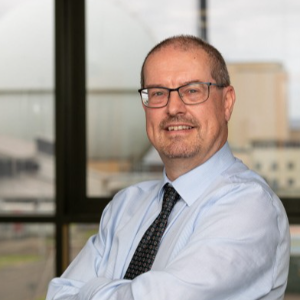
Mark Rouse
Panel

Rachel Sumner
Panel

George Christidis
Canadian Nuclear Association
Moderator
Summary Remarks & Close
Speaker
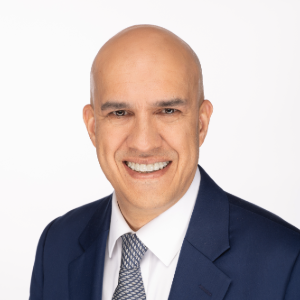
Shariq Alvi
CIBC
Feature Speaker

Sophia Arvanitis
Ontario Trade & Investment Office – London
Feature Speaker
Drinks & networking
Gold

AtkinsRéalis

CIBC

Cameco UK

Royal Bank of Canada (RBC)

Westinghouse Electric Canada
Silver
Bruce Power

GE Vernova

Hatch Associates
Urenco Ltd
Bronze

Aecon Nuclear
Canadian Nuclear Association
Bronze Sponsor
Centrica Energy

General Fusion
Kinectrics
NexGen Energy Ltd
Supporter

High Commission of Canada
Supporting Partners
Ontario Trade & Investment Office – London
Supporting Partners

Speakers


The information in this tab is only visible to member’s who registered for this event.
If you are registered, Please log-in. In
case of any query, contact the chambers at
Events@canada-uk.org
This information is available to user who registered for this event. Kindly register to view this information
If you have any further questions or require assistance, please feel free to contact our support team at Events@canada-uk.org
The information in this tab is only visible to members who registered for this event.
If you are registered, please log in. In case of any query,
contact the chambers at
Events@canada-uk.org
This information is available to users who registered for this event. Kindly register to view this information.
If you have any further questions or require assistance, please feel free to contact our support team at Events@canada-uk.org
The information in this tab is only visible to member’s who registered for this event.
If you are registered, Please log-in. In
case of any query, contact the chambers at
Events@canada-uk.org
Registration Fee
Upcoming Events